
Post-Workout Recovery: Why Electrolytes are Only Half the Story
![[HERO] Post-Workout Recovery: Why Electrolytes are Only Half the Story](https://cdn.marblism.com/esb_sq7KPWA.webp)
You crush your workout, feel that satisfying burn, and reach for your post-workout ritual: a bottle of Gatorade, maybe a magnesium supplement, or one of those trendy electrolyte packets. You're doing the right thing, right?
Not exactly.
Here's the truth most fitness enthusiasts don't realize: electrolytes are essential, but they're only addressing one piece of a much bigger recovery puzzle. If you're relying solely on sodium, potassium, and maybe some magnesium to bounce back from intense training, you're leaving serious gains on the table, and potentially setting yourself up for chronic fatigue, muscle weakness, and slower progress.
Let me break down what's really happening in your body post-workout, and why the mineral foundation you're building (or not building) matters more than you think.
The Electrolyte Obsession: What We Got Right (and Wrong)
The fitness industry has done a solid job convincing us that electrolytes are the key to recovery. And they're not wrong, sodium and potassium are absolutely crucial for fluid retention, muscle contraction, and nerve signaling. After a sweaty session, you've lost these minerals and need to replace them.
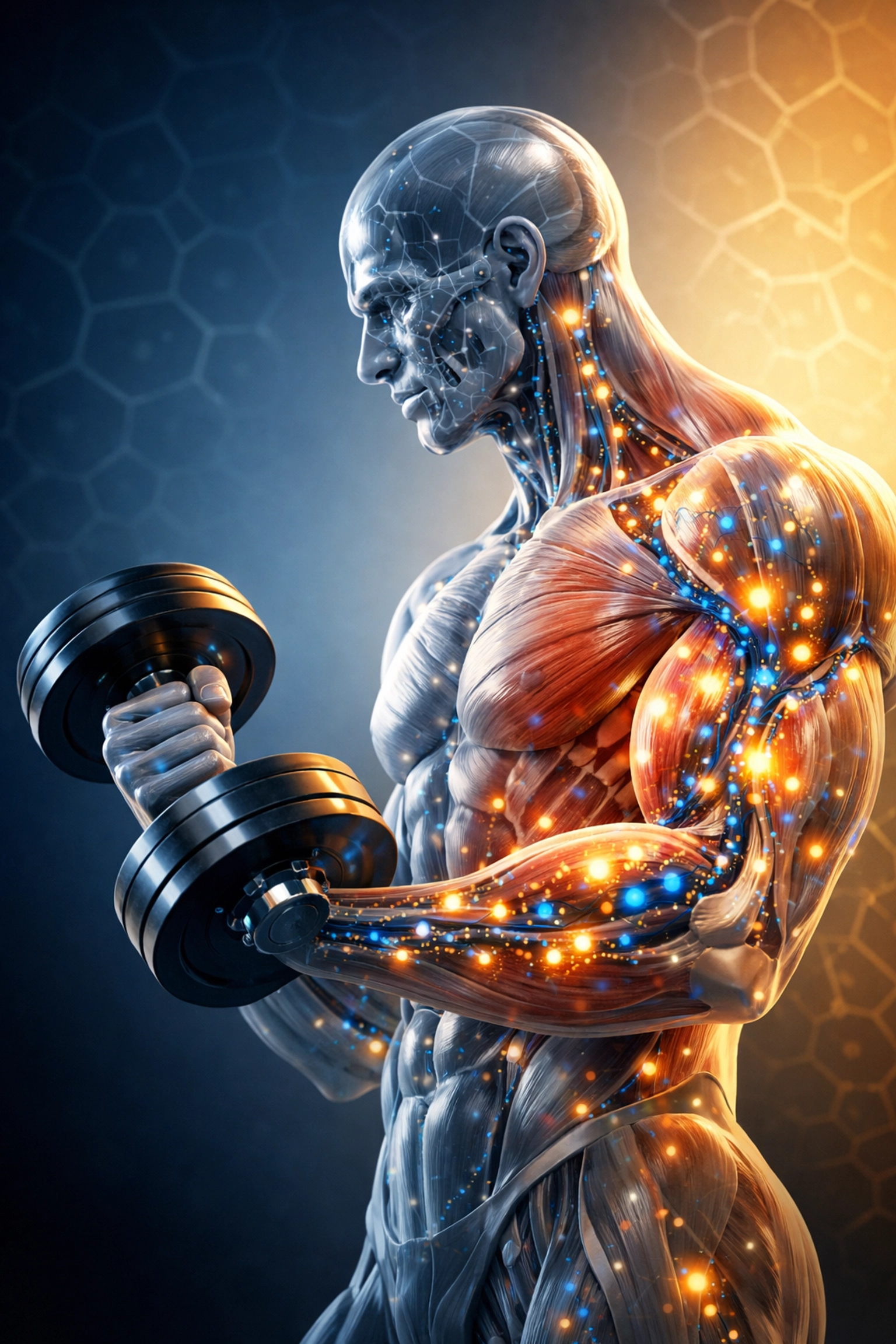
But here's where the story gets incomplete.
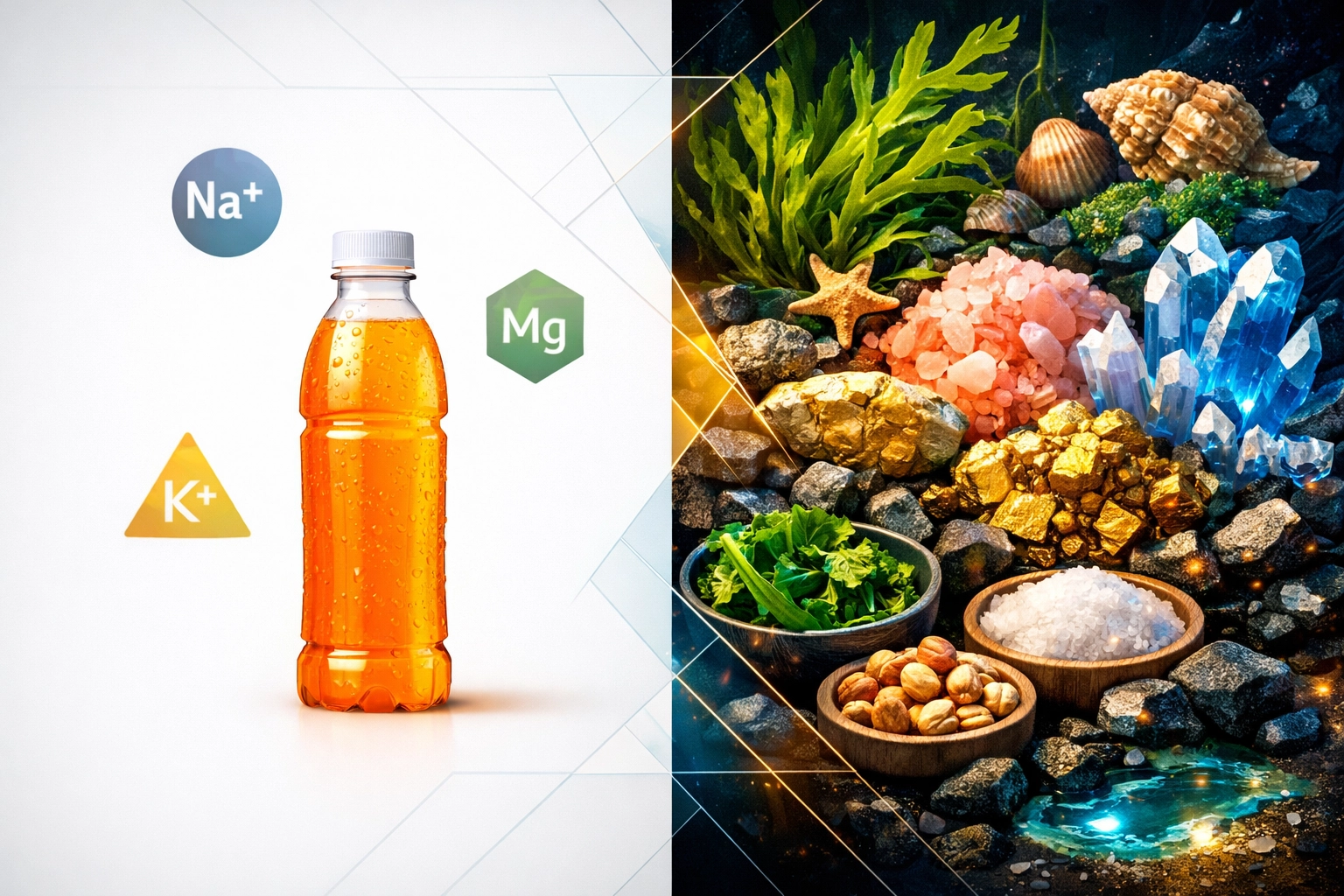
Most electrolyte drinks and supplements focus on just three to five minerals: sodium, potassium, magnesium, chloride, and maybe calcium if you're lucky. That's it. Meanwhile, your body requires over 60 trace minerals to function optimally, and intense exercise depletes many of them simultaneously.
Think about it: when you're pushing your muscles hard, you're not just losing water and sodium through sweat. You're also burning through zinc (critical for protein synthesis), manganese (essential for connective tissue repair), selenium (needed for reducing exercise-induced oxidative stress), and dozens of other trace minerals that never make it onto a Gatorade label.
What Your Muscles Actually Need to Recover
Real recovery isn't just about rehydration, it's about cellular repair, nervous system regulation, and metabolic restoration. Here's what's happening beneath the surface:
Protein synthesis requires zinc, magnesium, and sulfur to rebuild damaged muscle fibers. Without adequate trace minerals, your post-workout protein shake is like delivering building materials to a construction site with no workers to assemble them.
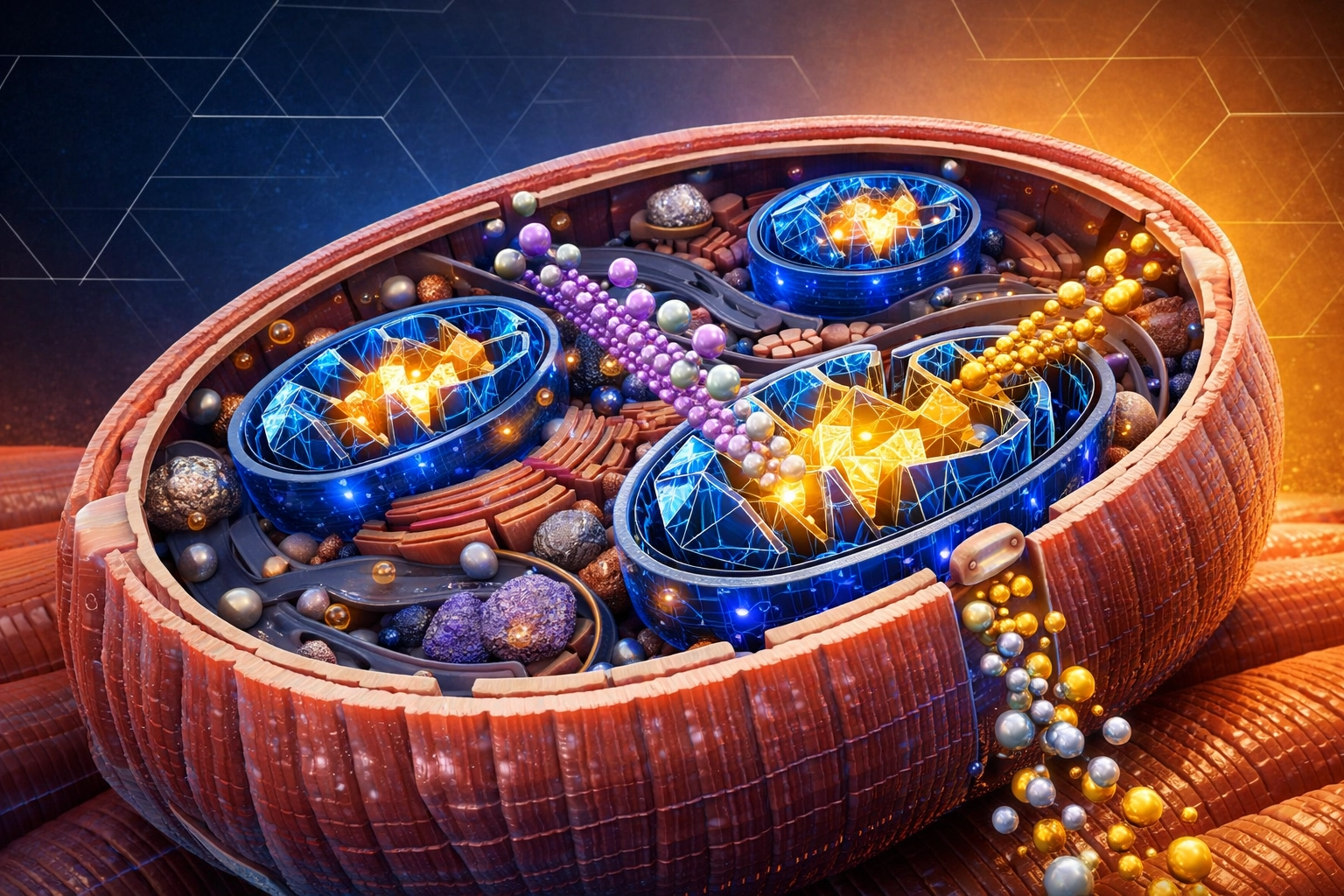
Mitochondrial recovery (your cellular energy factories) depends on minerals like manganese, copper, and iron to restore ATP production and clear out metabolic waste.
Nervous system reset needs magnesium, yes, but also calcium, potassium, and trace amounts of lithium and boron to calm the sympathetic "fight or flight" response that exercise triggers.
Connective tissue repair relies on sulfur, silicon, and copper to maintain healthy tendons, ligaments, and fascia: the stuff that actually holds your gains together long-term.
Most sports drinks and even premium supplements like Thorne's basic magnesium glycinate only scratch the surface. Thorne gives you one form of one mineral. It's better than nothing, but it's like trying to build a house with only a hammer: you need the whole toolbox.
The Mineral Gap in Popular Recovery Products
Let's get specific about what you're not getting from conventional recovery products:
Gatorade and Powerade: Primarily sugar water with sodium and potassium. Zero trace minerals. High in synthetic dyes and artificial flavors that may actually increase inflammation.
LMNT and other electrolyte packets: Better mineral ratios, cleaner ingredients, but still limited to the "big three" electrolytes. Nothing for cellular repair or long-term mineral reserves.
Thorne Magnesium Bisglycinate: Quality magnesium in a highly absorbable form: great for that one mineral. But magnesium works synergistically with dozens of other nutrients. In isolation, you're getting partial results.
NOW Foods Electrolyte Caps: Decent budget option, but again: just hitting the basic electrolytes with synthetic forms that may not absorb well.
None of these address the fundamental issue: mineral depletion is comprehensive, so recovery support needs to be comprehensive.
Enter the Mineral-First Recovery Approach
This is where the conversation shifts from symptom management to root cause recovery.
Instead of chasing individual depleted minerals after they're gone, what if you built a mineral-dense foundation that supported all aspects of recovery simultaneously?
That's the philosophy behind products like the Mineral Vitality: Sea Moss + Shilajit starter bundle. Rather than isolating three to five minerals, this combination delivers 92+ trace minerals from sea moss and 85+ minerals and fulvic acid from shilajit: providing the complete mineral spectrum your body actually uses during recovery.
Sea moss is essentially a whole-food multivitamin from the ocean, containing iodine for thyroid function (which regulates metabolism and recovery speed), sulfur for connective tissue, and a broad array of trace elements that support everything from immune function to collagen production.
Shilajit contains fulvic acid, which dramatically improves mineral absorption and helps transport nutrients directly into cells. It's particularly valuable for mitochondrial support and reducing exercise-induced inflammation: two factors that directly impact how quickly you bounce back.
Together, they create a mineral foundation that works with your electrolyte intake, not as a replacement for it, but as the deeper nutritional infrastructure that makes everything else work better.
Building Your Complete Recovery Strategy
Here's what effective post-workout recovery actually looks like when you think beyond electrolytes:
Immediate (0-30 minutes post-workout):
- Hydrate with clean water
- Add electrolytes if you've sweated heavily (sodium and potassium are still important!)
- Consider a serving from your Mineral Vitality: Sea Moss + Shilajit starter bundle to kickstart mineral replenishment
Within 1-2 hours:
- Quality protein (20-40g depending on body size and workout intensity)
- Carbohydrates to restore glycogen (especially after high-intensity or long-duration exercise)
- Continue hydrating: electrolytes work best when paired with adequate water intake
Daily foundation:
- Consistent mineral supplementation isn't just for workout days. Your body needs trace minerals every single day to maintain the reserves that intense exercise draws from
- The Mineral Vitality: Sea Moss + Shilajit starter bundle provides this ongoing support without megadosing isolated nutrients
Active recovery:
- Light stretching and movement to promote circulation
- Quality sleep (minerals like magnesium support this, but so do trace minerals like lithium and boron)
- Stress management: your nervous system needs mineral support to downregulate after intense training
The Long Game: Why Mineral Density Matters for Athletes
Here's something most people don't connect: chronic injuries, training plateaus, and persistent fatigue are often rooted in long-term mineral deficiency, not just inadequate protein or rest.
When you're constantly breaking down tissue through training but only partially supporting the rebuilding process with incomplete mineral intake, you create a cumulative deficit. Over months and years, this shows up as:
- Recurring tendon and ligament issues
- Difficulty building or maintaining muscle despite consistent training
- Poor sleep quality and extended recovery times
- Increased susceptibility to illness
- Mental fog and mood issues (your brain is mineral-dependent too)
The athletes who stay healthy, keep progressing, and feel consistently strong aren't just the ones with better genetics or programming: they're often the ones who've dialed in their foundational nutrition, including comprehensive mineral support.
Your Issues. My Priority.
Recovery isn't sexy. It doesn't come with a pump or a PR. But it's the difference between sustainable progress and spinning your wheels while your body slowly depletes itself.
Electrolytes matter. Hydration matters. But if you're not addressing the complete mineral picture, you're recovering at half speed.
The good news? This isn't complicated. It doesn't require a cabinet full of isolated supplements or a PhD in nutrition. It requires understanding that your body works as an integrated system, and giving it the broad-spectrum mineral support it evolved to run on.
That's what a mineral-first approach delivers: not more supplements, but smarter supplementation that addresses recovery at the foundational level.
Start thinking beyond the electrolyte packet. Your muscles, nervous system, and long-term gains will thank you.
Kevin D. Williams
First Principles Health, a Division of Stephen Capital Partners