
![[HERO] Post-Workout Recovery: Why Your Muscles Crave More Than Just Protein](https://cdn.marblism.com/FE0f0VYxzrd.webp)
You just crushed your workout. You're dripping sweat, feeling accomplished, and reaching for that protein shake because that's what everyone says you need, right?
Here's the thing: while protein definitely matters, it's only one piece of a much larger recovery puzzle. Your muscles are actually craving a whole symphony of nutrients that most fitness enthusiasts completely overlook.
Let's break down what your body truly needs after exercise, and why trace minerals might be the missing link in your recovery routine.
The Post-Workout Window: What's Really Happening Inside Your Body
When you exercise, you're essentially creating controlled damage. Your muscle fibers develop microscopic tears, your glycogen stores get depleted, and your body enters a state of oxidative stress. This isn't a bad thing, it's how you get stronger.
But here's where it gets interesting: the 30 to 60 minutes after your workout is when your muscles are most primed to absorb nutrients and begin the repair process. Miss this window with incomplete nutrition, and you're leaving gains on the table.
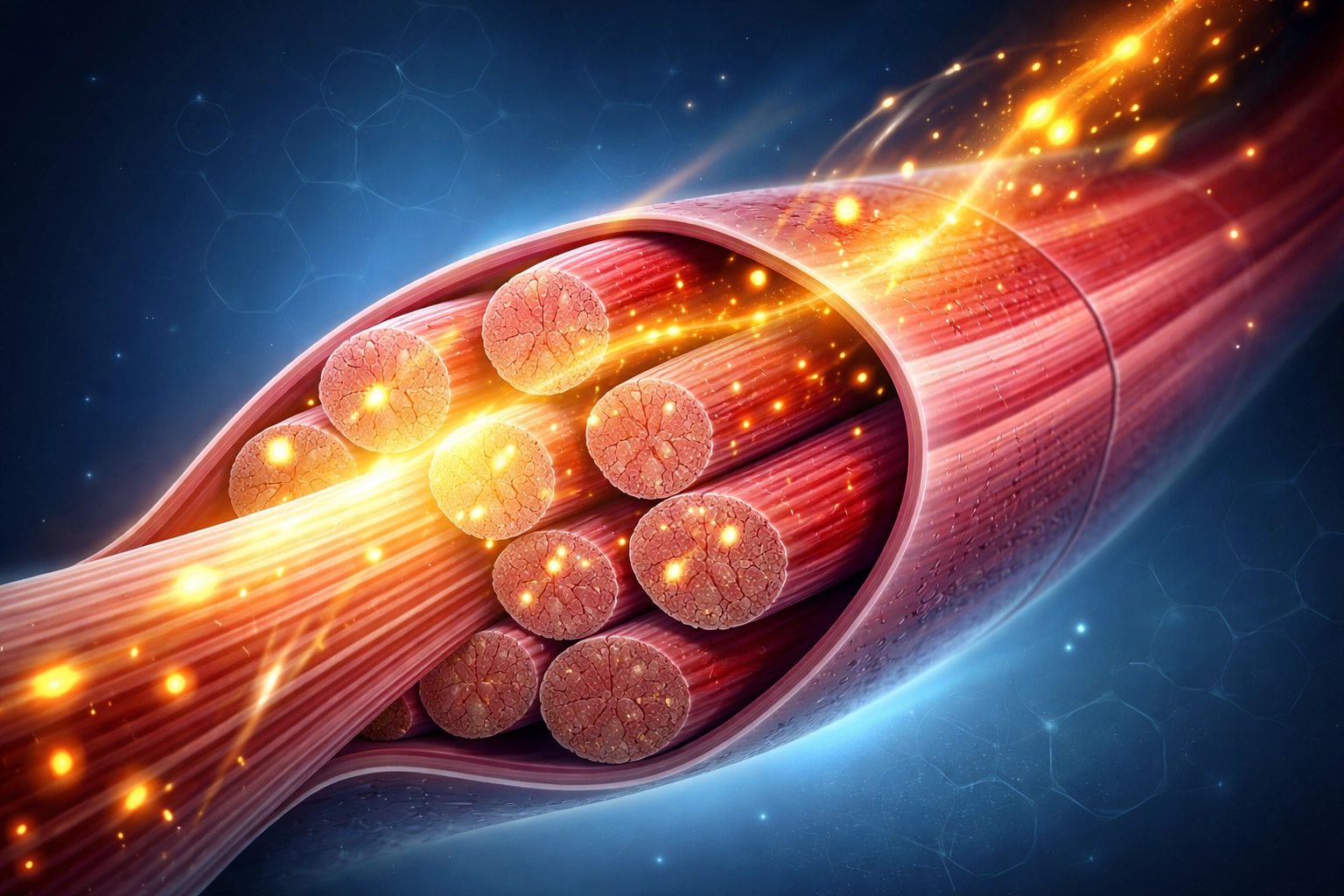
Most people focus exclusively on protein during this critical period. And yes, protein provides the amino acids needed to repair those torn muscle fibers. But your body is simultaneously trying to:
- Restore depleted energy reserves
- Rebalance electrolytes lost through sweat
- Combat inflammation and oxidative stress
- Support cellular repair at the deepest level
Protein alone can't do all of that.
Carbohydrates: Your Muscles' Primary Fuel Source
Let's talk about something the "protein-only" crowd often ignores: carbohydrates.
During intense exercise, your body burns through muscle and liver glycogen, your stored form of glucose. Research shows that glycogen replenishment is actually the most critical factor determining how quickly you recover.
The science suggests consuming about 1 gram of carbohydrate per kilogram of body weight per hour for the first four hours post-workout. For a 180-pound person, that's roughly 80 grams of carbs.
Here's the kicker: combining protein and carbohydrates after exercise is more effective than consuming either nutrient alone. The carbs help shuttle amino acids into your muscles more efficiently while simultaneously restoring your energy reserves.
So that protein shake? Consider adding a banana or some oats.
The Electrolyte Equation: More Than Just Sodium
You've probably heard about electrolytes in the context of sports drinks. But most commercial products focus almost exclusively on sodium and sugar while ignoring the broader mineral picture.
When you sweat, you're losing:
- Sodium – crucial for fluid balance and nerve function
- Potassium – essential for muscle contractions and preventing cramps
- Magnesium – involved in over 300 enzymatic reactions, including muscle relaxation
- Calcium – necessary for muscle function and bone health
Magnesium deserves special attention here. Studies show that intense exercise can deplete magnesium levels, and deficiency is linked to increased muscle soreness, cramping, and slower recovery times.
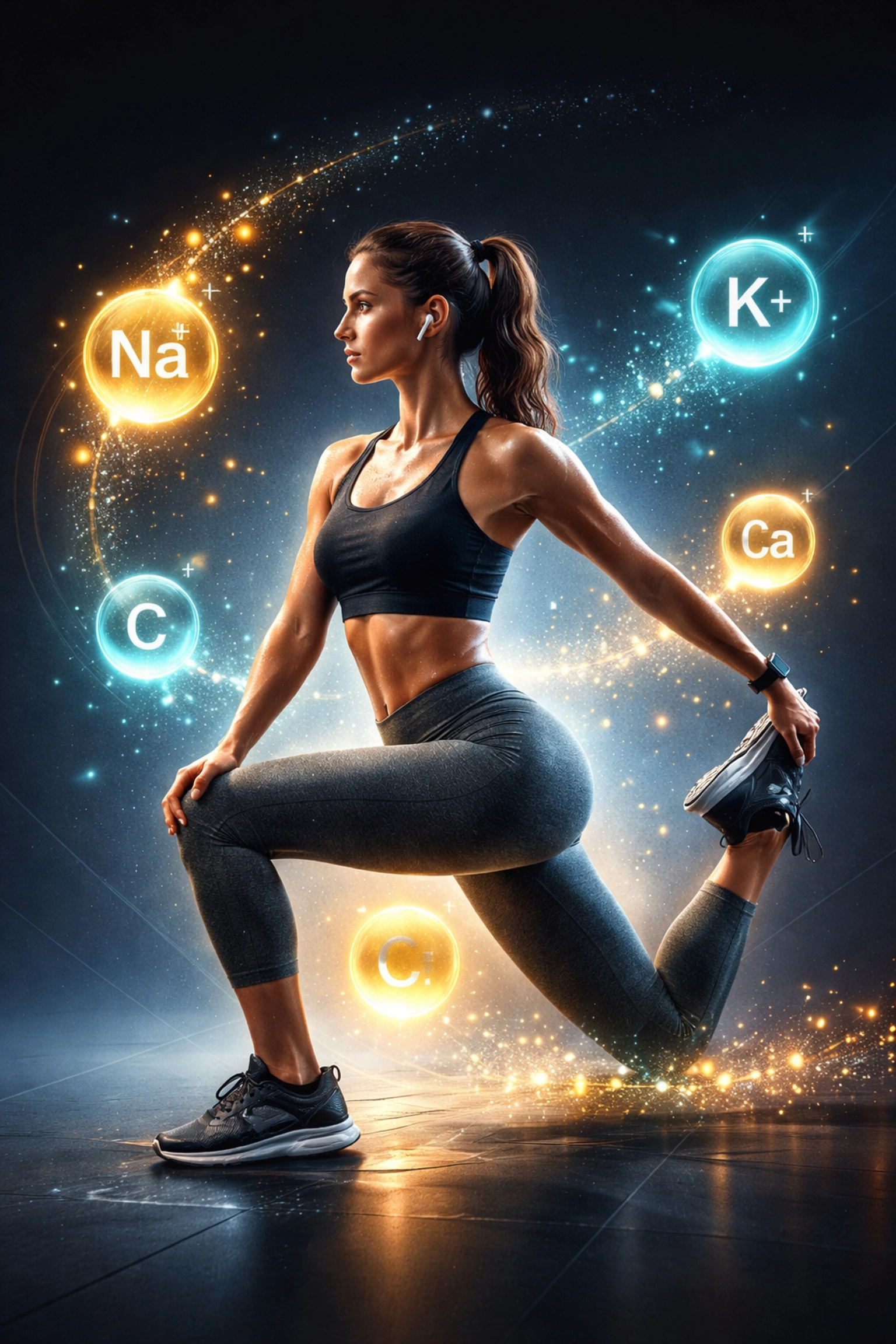
This is where whole-food mineral sources start to shine. Rather than isolated electrolyte supplements, natural sources like sea moss provide a full spectrum of minerals in forms your body recognizes and absorbs efficiently.
The Mineral Vitality: Sea Moss + Shilajit starter bundle delivers over 90 trace minerals, including the electrolytes your muscles desperately need after training, without the artificial ingredients found in most sports nutrition products.
Trace Minerals: The Unsung Heroes of Recovery
Beyond the major electrolytes, your body relies on dozens of trace minerals for optimal function. These include zinc, selenium, copper, manganese, and iron, all of which play roles in:
- Immune function (which can be temporarily suppressed after intense exercise)
- Antioxidant defense systems
- Energy production at the cellular level
- Hormone regulation, including testosterone and growth hormone
Here's the problem: modern diets are often deficient in trace minerals due to soil depletion and processed food consumption. Even if you're eating "clean," you might not be getting what your body needs.
Sea moss has gained attention in the wellness community precisely because it's one of nature's most mineral-dense foods. Harvested from the ocean, it absorbs minerals directly from seawater, providing a comprehensive nutritional profile that's hard to match with any single food.
Fulvic Acid: Unlocking Cellular Recovery
Now let's talk about something most fitness articles never mention: fulvic acid.
Found in shilajit: a mineral-rich substance formed over centuries in mountain regions: fulvic acid acts as a natural transport system for nutrients. It helps minerals cross cell membranes more effectively, meaning your body can actually use what you're consuming.
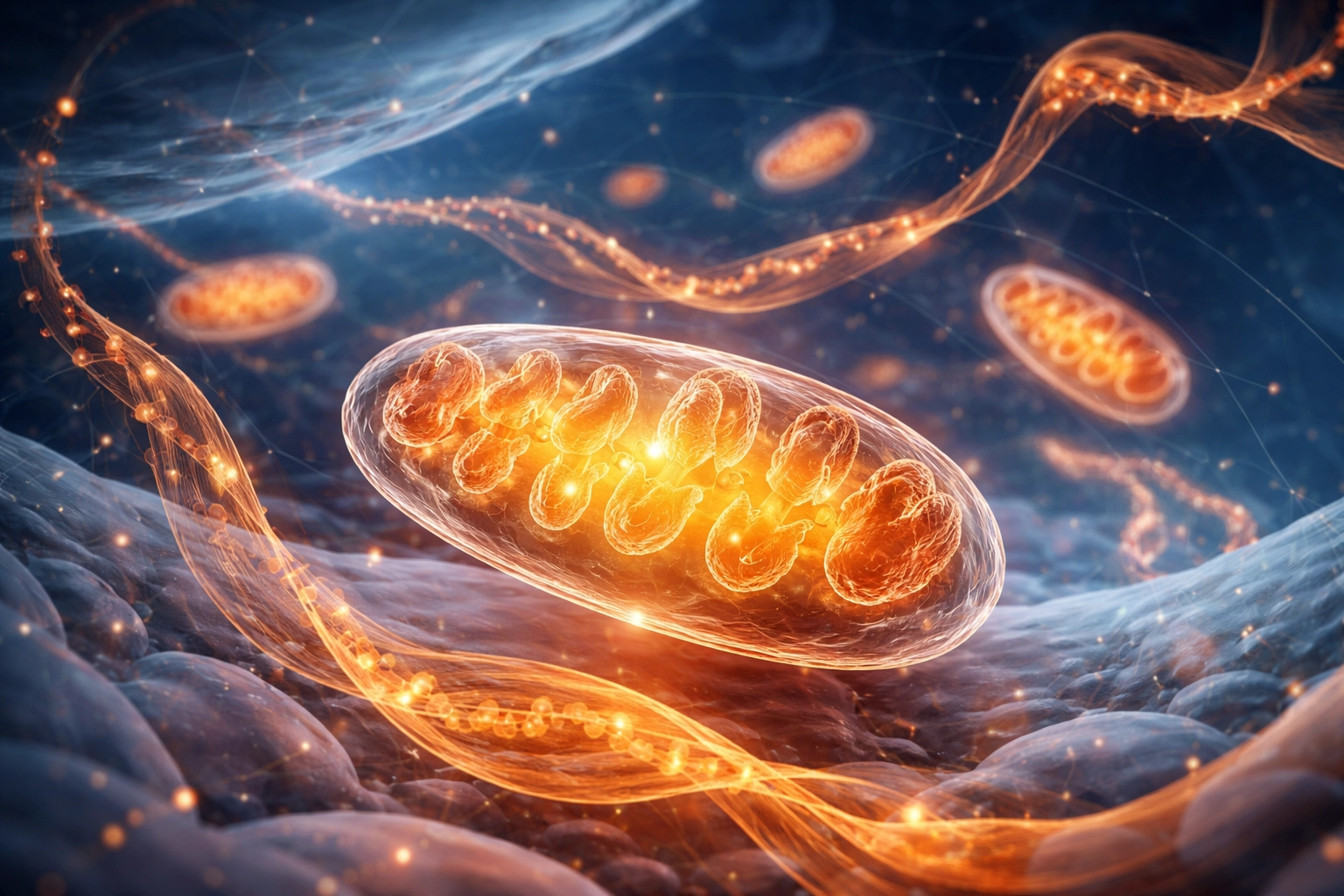
Research on shilajit has shown promising results for:
- Enhanced mitochondrial function – your cells' energy powerhouses work more efficiently
- Reduced muscle fatigue – subjects reported better endurance and recovery
- Improved nutrient absorption – minerals become more bioavailable
For athletes and fitness enthusiasts, this translates to potentially faster recovery, better energy levels, and more efficient use of the nutrients you're already consuming.
The combination of sea moss and shilajit in the Mineral Vitality: Sea Moss + Shilajit starter bundle creates a synergistic effect: you're getting both the minerals your body needs and the delivery system to help absorb them.
Inflammation: The Recovery Roadblock
Some inflammation after exercise is normal and even necessary for adaptation. But excessive or prolonged inflammation can delay recovery and leave you feeling sore for days.
Anti-inflammatory support comes from several sources:
- Vitamin C – found in fruits and vegetables
- Omega-3 fatty acids – from fish, flaxseed, or algae
- Plant compounds – polyphenols and antioxidants from whole foods
- Magnesium – which helps regulate inflammatory responses
Sea moss contains natural compounds that support your body's ability to manage inflammation, while shilajit's fulvic acid has demonstrated antioxidant properties that help combat exercise-induced oxidative stress.
Putting It All Together: Your Complete Recovery Protocol
So what does optimal post-workout nutrition actually look like? Here's a practical framework:
Within 30-60 minutes after training:
- Protein – 20 to 40 grams from quality sources (whey, plant-based, or whole foods)
- Carbohydrates – matched to your workout intensity; harder sessions need more
- Hydration – water plus electrolytes, especially if you sweat heavily
- Trace minerals – to support the hundreds of enzymatic processes involved in recovery
Daily foundation:
- Consistent mineral intake through whole foods and targeted supplementation
- Adequate sleep (when most recovery actually happens)
- Stress management (cortisol impairs recovery)

The Mineral Vitality: Sea Moss + Shilajit starter bundle fits perfectly into this protocol as your daily mineral foundation. Take it consistently, and you're giving your body the raw materials it needs to recover efficiently: workout after workout.
The Bottom Line
Protein gets all the attention in fitness circles, but it's just one player on a much larger team. True recovery requires:
- Carbohydrates to restore energy
- Electrolytes to rebalance what you lost
- Trace minerals to support cellular function
- Compounds like fulvic acid to enhance absorption
When you shift from "protein-focused" to "whole-body recovery," you'll likely notice the difference: less soreness, more energy, and better performance in your next session.
Your muscles are craving more than protein. Give them what they actually need.